VR for Architecture Visualization | Immersive Design by Bitknob Innovation
Discover how VR architecture visualization transforms design, real estate, and planning. Learn benefits, use cases, and future trends with Bitknob Innovation.
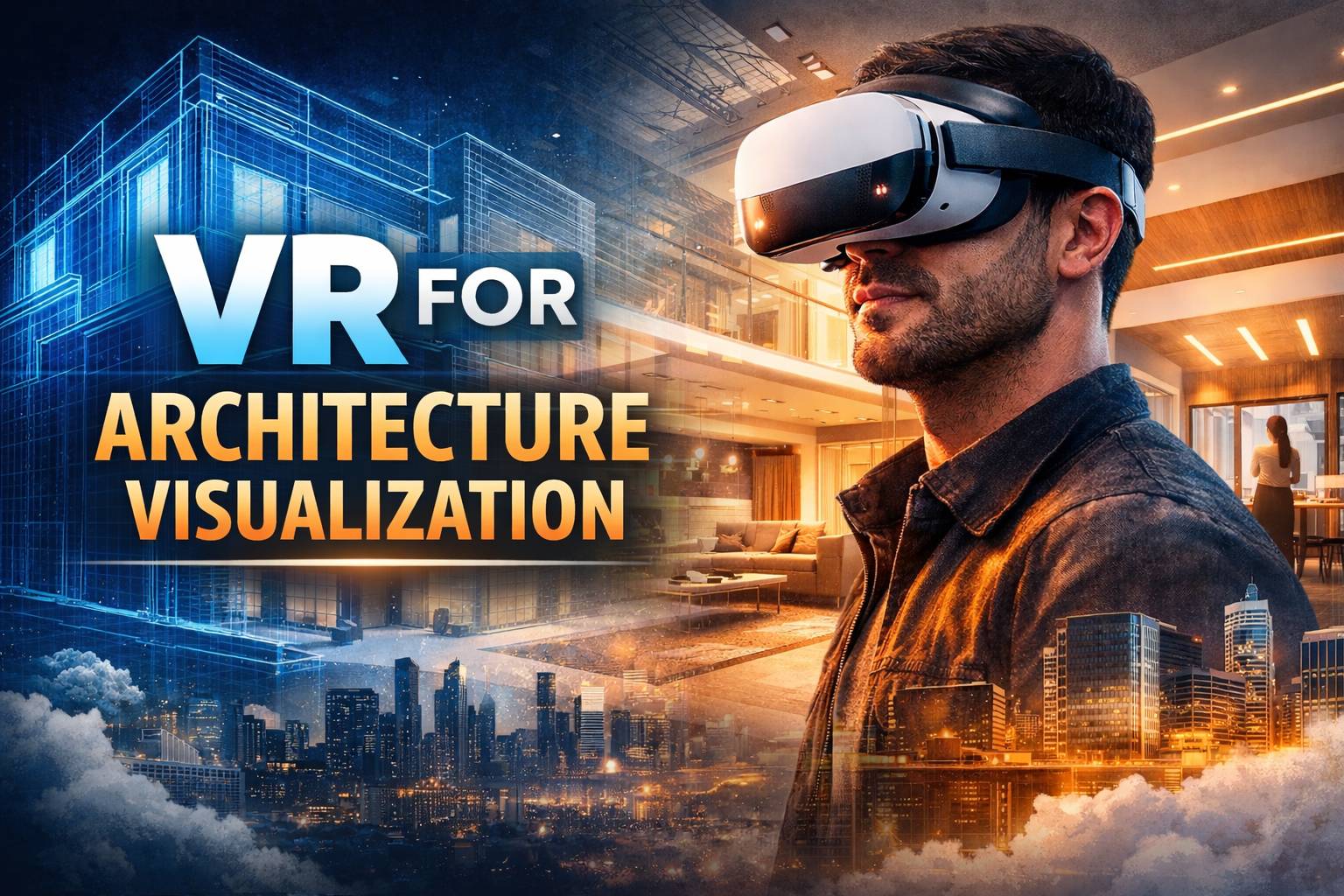
In the world of architecture and real estate, visualization is everything. Long before a brick is laid or a beam is raised, clients, investors, and stakeholders want to see the future building—how it looks, feels, and functions. Traditional 2D drawings, blueprints, and even 3D renders have served the industry for decades, but they often fall short when it comes to conveying real-world scale, spatial depth, and user experience.
This is where Virtual Reality (VR) for Architecture Visualization is revolutionizing the industry.
At Bitknob Innovation, we help architects, builders, and real estate developers leverage cutting-edge VR solutions to bring architectural concepts to life. In this in-depth guide, we’ll explore what VR architecture visualization is, how it works, its benefits, use cases, tools, challenges, and why it is rapidly becoming a must-have technology for modern architectural practices.
What Is VR Architecture Visualization?
VR Architecture Visualization is the use of virtual reality technology to create immersive, interactive 3D environments representing architectural designs. Instead of viewing static images or flat screens, users can step inside a virtual building, walk through rooms, experience spatial relationships, and interact with design elements in real time.
Using VR headsets such as Meta Quest, HTC Vive, or even web-based VR experiences, architects and clients can explore a building before it exists in the physical world.
Key Characteristics of VR Visualization
- Fully immersive 3D environments
- Real-world scale and depth perception
- Interactive design elements
- Real-time lighting and material changes
- Walkthrough and flythrough experiences
Why Traditional Architectural Visualization Falls Short
Before VR, architects relied on:
- 2D floor plans
- Elevation drawings
- Physical scale models
- Static 3D renders
- Pre-recorded walkthrough videos
While useful, these methods have limitations:
- Clients struggle to interpret scale and dimensions
- Miscommunication between architects and stakeholders
- Design flaws discovered too late
- Limited emotional connection to the space
VR eliminates these issues by providing true spatial understanding.
How VR Works in Architecture Visualization
The VR visualization workflow typically includes the following steps:
1. Architectural Modeling
Architectural designs are created using software like:
- Revit
- SketchUp
- AutoCAD
- ArchiCAD
These models form the foundation of the VR experience.
2. 3D Optimization & Texturing
The model is optimized for VR performance and enhanced with:
- Realistic materials
- Textures
- Furniture and props
- Environmental details
3. Lighting & Environment Setup
Dynamic lighting, shadows, reflections, and skyboxes are added to simulate real-world conditions such as:
- Daylight vs nighttime
- Artificial lighting
- Weather conditions
4. VR Engine Integration
The model is imported into game engines like:
- Unity
- Unreal Engine
These engines power interactivity and immersion.
5. VR Deployment
The final experience is deployed to:
- VR headsets
- Desktop VR walkthroughs
- Web-based VR platforms
Key Benefits of VR for Architecture Visualization
1. Immersive Client Experience
Clients can walk through their future building, understand layouts, and feel the space emotionally—something no 2D plan can achieve.
2. Improved Design Accuracy
Architects can identify:
- Spatial issues
- Poor lighting zones
- Awkward room transitions
- Accessibility concerns
This reduces costly design changes during construction.
3. Faster Decision-Making
When clients clearly understand the design:
- Approval cycles become shorter
- Fewer revisions are required
- Confidence in decisions increases
4. Cost Savings
Detecting issues early saves:
- Construction rework costs
- Material wastage
- Time delays
5. Stronger Sales & Marketing
VR presentations:
- Impress investors
- Increase property pre-sales
- Differentiate brands in competitive markets
VR vs Traditional 3D Rendering

VR clearly offers a next-level experience.
Use Cases of VR in Architecture
Residential Architecture
- Virtual home walkthroughs
- Apartment previews for buyers
- Interior design customization
Commercial Buildings
- Office space planning
- Retail layout optimization
- Corporate presentations
Real Estate Development
- Pre-launch property marketing
- Investor demonstrations
- Virtual site visits
Urban Planning
- City-scale simulations
- Infrastructure visualization
- Public engagement projects
Interior Design
- Furniture placement
- Color and material selection
- Lighting simulations
VR Architecture Visualization in Real Estate Marketing
One of the biggest adopters of VR visualization is the real estate industry.
Why Real Estate Loves VR
- Buyers can visit properties remotely
- International investors can explore projects
- Unbuilt properties can be sold confidently
VR enables pre-construction sales, increasing ROI for developers.
Interactive Features in Architectural VR
Modern VR experiences are not just visual—they’re interactive.
Common features include:
- Changing wall colors and textures
- Switching furniture layouts
- Toggling lighting conditions
- Opening doors and windows
- Measuring room dimensions
At Bitknob Innovation, we specialize in building custom interactive VR environments tailored to business goals.
VR Hardware Used in Architecture Visualization
Some popular VR devices include:
- Meta Quest series
- HTC Vive
- Valve Index
- Windows Mixed Reality
Each device offers different levels of immersion, mobility, and performance.
Software & Tools Powering Architectural VR
- Unity / Unreal Engine
- Blender / Maya
- Twinmotion
- Lumion
- Enscape
The right toolset depends on:
- Project scale
- Hardware compatibility
- Level of realism required
Challenges in VR Architecture Visualization
Despite its advantages, VR comes with challenges:
1. Hardware Costs
High-end VR headsets and systems require investment.
2. Learning Curve
Architects may need training to adapt to VR workflows.
3. Performance Optimization
Large architectural models must be optimized for smooth VR performance.
4. Motion Sickness
Poor optimization can cause discomfort for users.
At Bitknob Innovation, we address these challenges with optimized development pipelines and user-friendly VR experiences.
The Future of VR in Architecture
The future of architectural visualization is fully immersive and intelligent.
Upcoming trends include:
- AI-assisted VR design optimization
- Multi-user VR collaboration
- Cloud-based VR walkthroughs
- Integration with AR and MR
- Real-time BIM + VR synchronization
VR will soon become a standard tool, not a luxury.
Why Choose Bitknob Innovation for VR Architecture Visualization?
At Bitknob Innovation, we combine:
- Deep technical expertise
- Creative design thinking
- Industry-specific solutions
What We Offer
- Custom VR architectural walkthroughs
- Real-time interactive environments
- VR for real estate marketing
- Cross-platform VR deployment
- End-to-end support & consulting
Our goal is to help architects and developers communicate ideas clearly, sell faster, and build smarter.
SEO Advantages of Using VR in Architecture Firms
Implementing VR doesn’t just improve design—it also boosts your brand.
SEO & Branding Benefits
- Higher client engagement
- Better conversion rates
- Premium brand perception
- Increased online visibility
VR case studies and demos can significantly enhance your digital presence.
Final Thoughts
VR for Architecture Visualization is no longer the future—it is the present. As competition grows and clients demand richer experiences, architects and developers who adopt VR gain a powerful edge.
From immersive walkthroughs to interactive design validation, VR transforms how buildings are imagined, presented, and approved.
If you’re ready to elevate your architectural projects with cutting-edge VR solutions, Bitknob Innovation is here to help.
Ready to Build the Future in Virtual Reality?
📩 Contact Bitknob Innovation today to explore custom VR architecture visualization solutions that redefine how your designs are experienced.
Redefining Innovation – The Bitknob Way. 🚀
By Sahil Kumar • over 1 year ago
Category: AR/VR